|
|
LEARNING
An education tailored to you
|
LOVE OF LEARNING
Charlotte Mason methods instill a love of learning by using short, living lessons (real books, stories, nature study, art, and music) that respect the child’s attention; encouraging narration so children actively process and take ownership of what they learn; keeping lessons gentle, varied, and habit-focused to protect curiosity; and prioritizing direct experience (outdoor exploration, hands-on observation) and delight over rote drills, which makes learning meaningful and intrinsically rewarding.
LIVING BOOKS
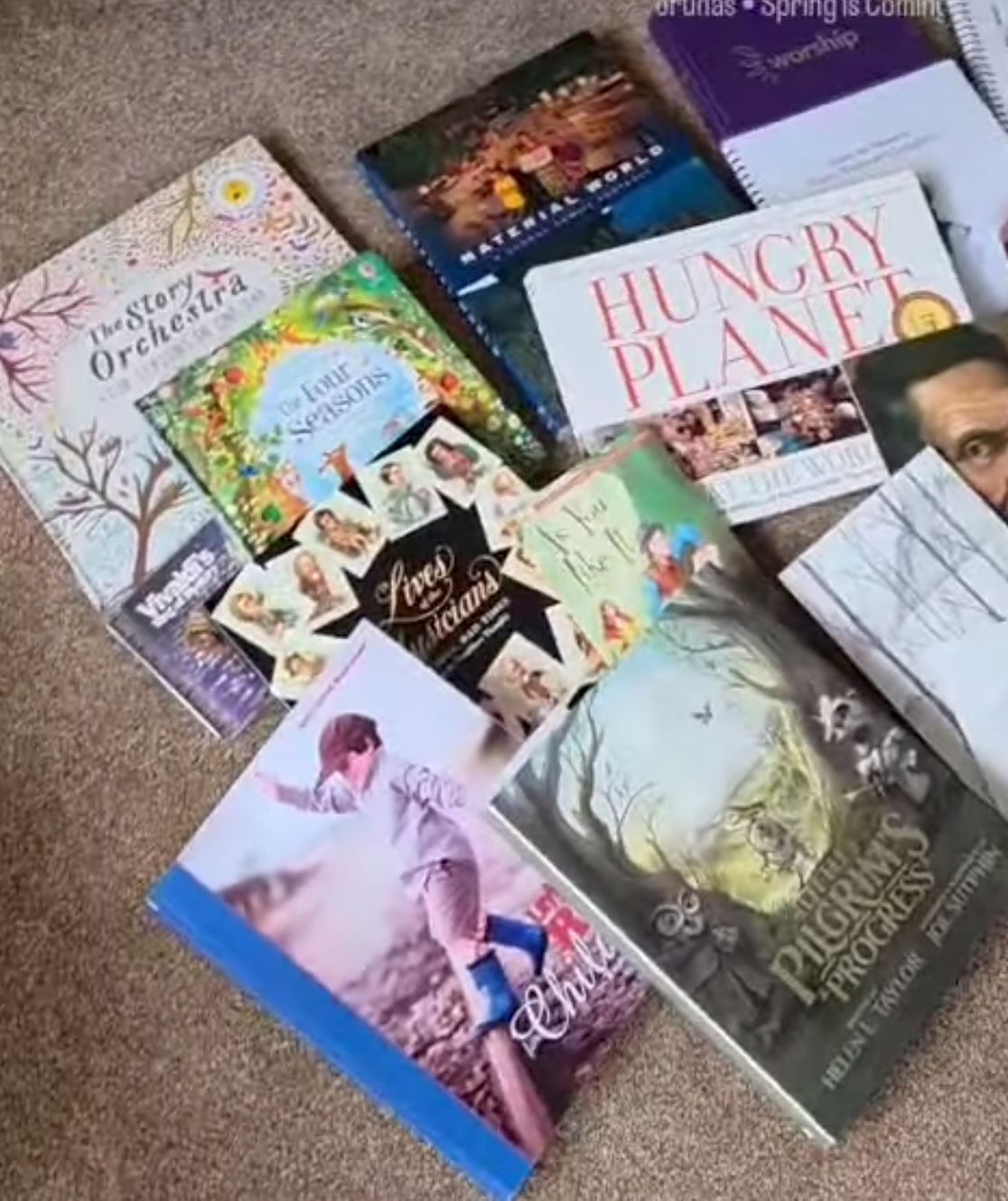
There's something so precious and sacred about pulling out a beautiful book with your child but how do we know what is best how do we know if a book is a living book. A living book has an enduring idea that embodies some aspect of truth, goodness or beauty. It should be full of rich language and have life like pleasing illustrations in real world colors. People should look like people the colors should be found in real life. The story line should cause us to wonder at God's world in nature or give children language to relate to some common human experience or teach a virtue or simply be a good story. A good living book will capture the attention of children and parents alike.
Picture & COMPOSER Study
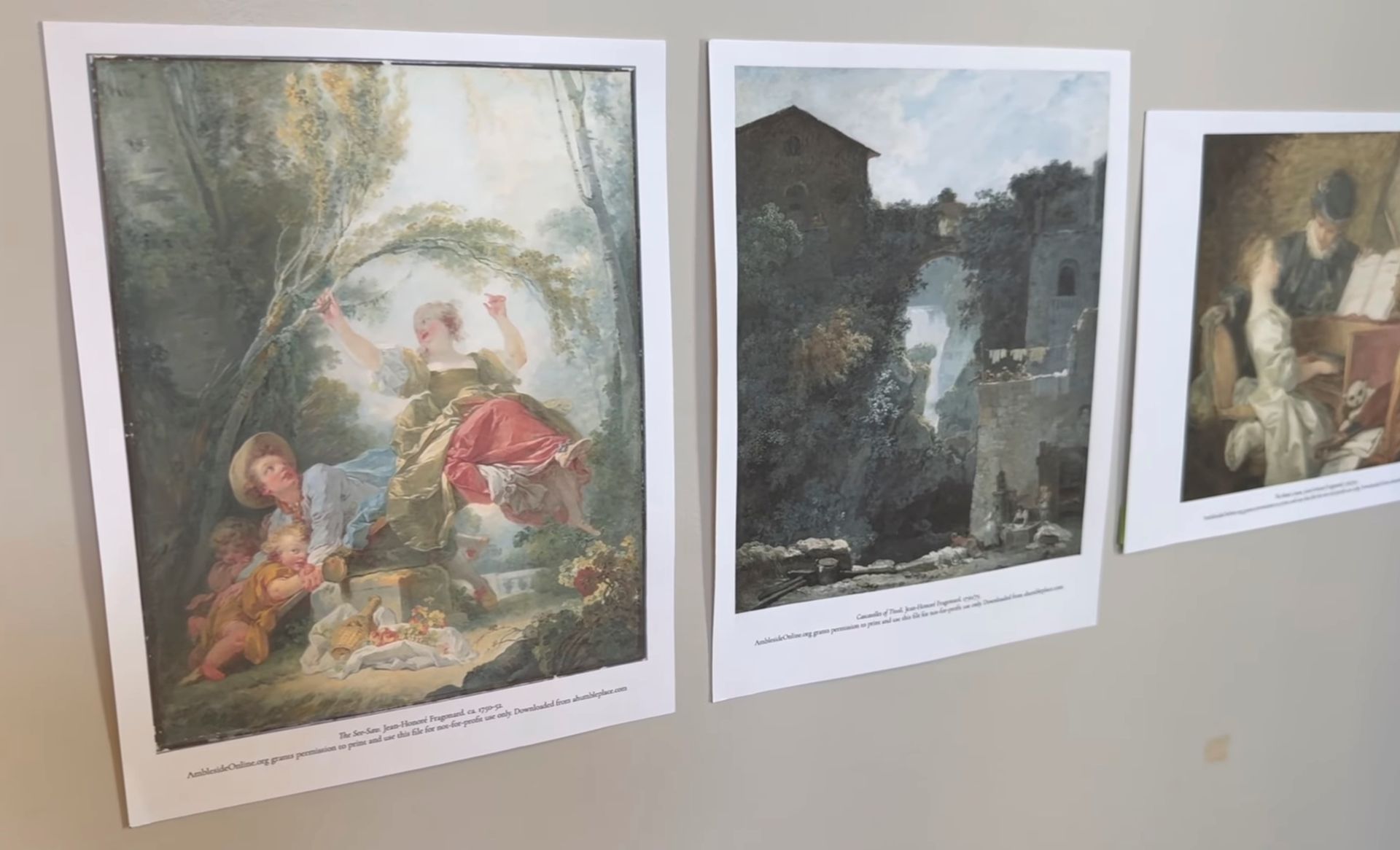
A picture and composer study is a short, focused lesson where children spend a few minutes over several days looking closely at a single artwork or listening to a short musical piece to build attention, observation, and appreciation. For a picture study they examine details, pose simple narrations, and learn the artist’s name and a few facts; for a composer study they listen attentively, discuss mood and instruments, and learn the composer’s name and a biographical sketch. Repetition, short sessions, living examples, and narration are key.
NATURE STUDY
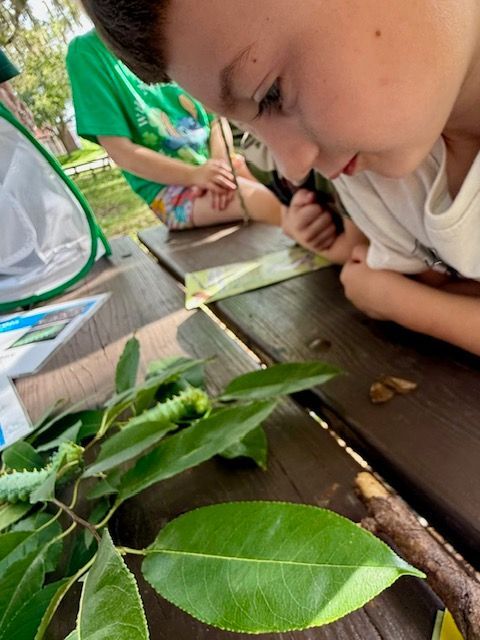
Nature study in the Charlotte Mason method for kindergarteners is short, frequent, and child-centered: teachers take children outdoors to observe a single plant, animal, or natural object closely, encourage quiet attention and simple narration about what they saw, and build habits of careful looking and respect for living things. Lessons use real objects, sketching or simple nature journals, and repeated visits to the same spot so youngsters notice seasonal changes; the emphasis is on wonder, gentle questioning, and cultivating lasting affection for the natural world rather than formal science instruction.
"We spread an abundant and delicate feast in the programs, and each small guest assimilates what he can."
Ch
Charlotte Mason
NARRATION &
COPY WORK
Narration (kindergarten)
Narration is the child’s oral retelling of a short story, poem, passage, or observation immediately after listening or seeing it. In kindergarten, it’s very short and simple: the teacher reads a living story or shares a nature observation, then asks the child to tell back what they remember in their own words. This trains attention, comprehension, memory, and expression without drills; the teacher gently records or prompts only as needed and keeps sessions brief and joyful.
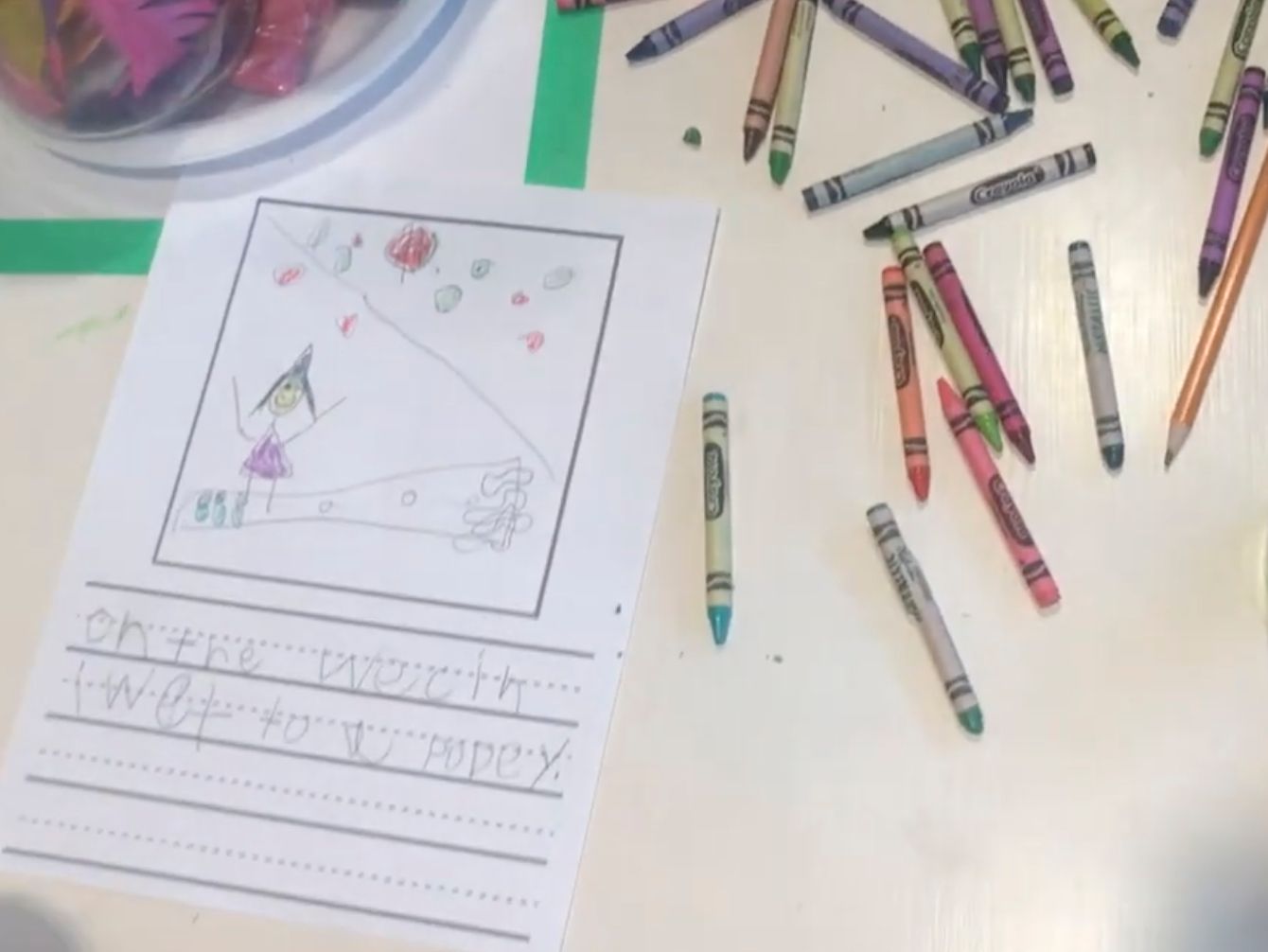
Copy Work (kindergarten)
Copy Work introduces handwriting, spelling, punctuation, and sentence rhythm by having the child copy short, well-written sentences or lines from living books and poems. For beginners, the teacher provides large, clearly spaced examples and the child copies with pencil while practising correct letter formation and spacing; focus is on accuracy and beauty of form more than speed. Combined with narration, copy work connects meaningful language to written practice and builds early composition skills.